Search
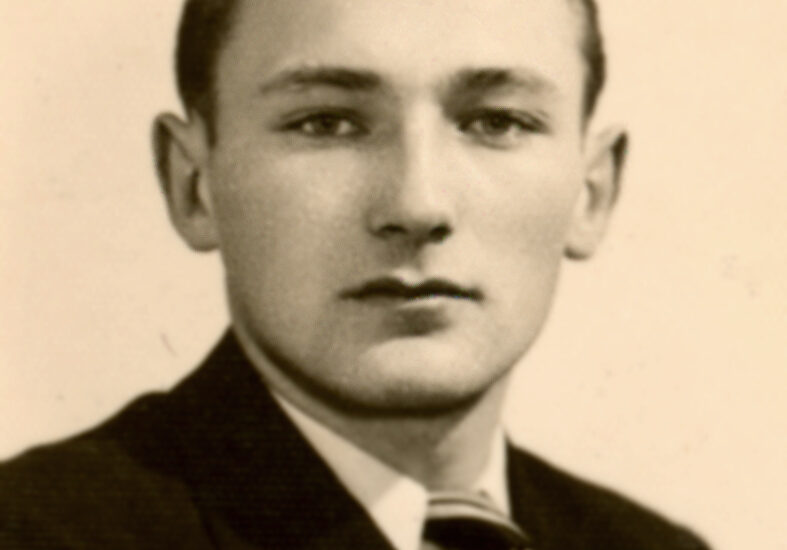
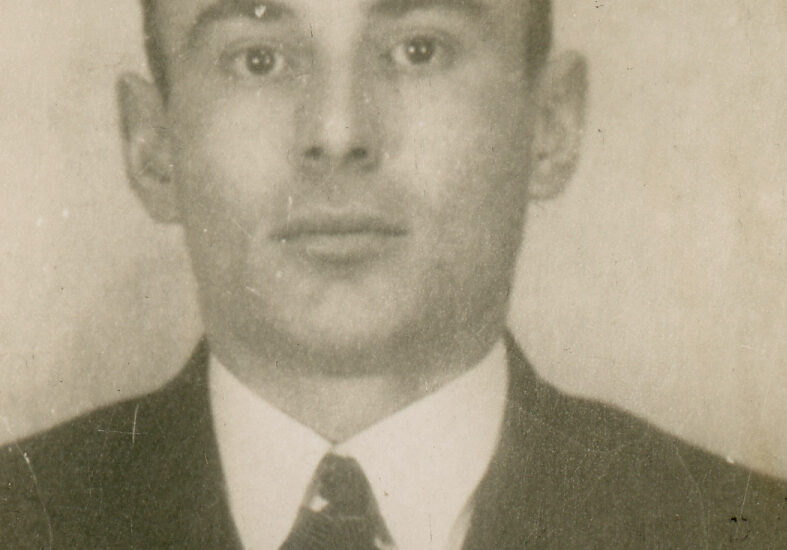
The Polish electrician Leopold Goldwurm, the Czechoslovakian photographer Viliam Herskovic and the Russian car mechanic Aron Giwertz, all three Jews, escaped from the Peiskretscham labour camp – an Auschwitz sub-camp – toward the end of December 1942. Each had fled separately in 1942 from Antwerp to France, where they were arrested and interned at Drancy. Aron Giwertz (36) was deported from the assembly camp on 26 August 1942 via Transport 24; Leopold Goldwurm (25) and Viliam Herskovic (28) followed on 14 September 1942 via Transport 32. All three were ordered off the train in Cosel and put to work in Peiskretscham.
Following their escape from the camp, Leopold, Viliam and Aron travelled clandestinely by train from Breslau to Cologne. They went into hiding at Aron Giwertz’ old address in Antwerp in March 1943. Their account of life in the concentration camps in Eastern Europe was published in June 1943 in Unzer Kampf, an underground Yiddish newspaper printed in Charleroi. It was the first time that the existence of Auschwitz had been revealed in the Belgian resistance press.
Following the publication of their testimony, Leopold and Viliam went into hiding with the assistance of the Comité de Défense des Juifs. They managed to avoid re-arrest. Aron Giwertz was detained a second time in Brussels on 5 October 1943 and deported from the Dossin Barracks to Auschwitz-Birkenau via Transport XXIII. He was selected on arrival for forced labour and the number 172322 was tattooed on his arm. Aron survived deportation and was reunited in 1945 with Margaretha Diedrichs, his non-Jewish wife, who had been interned at Ravensbrück. He passed away in 1956.
VAN GOETHEM, Herman, en Patricia RAMET, red. Drancy-Auschwitz 1942-1944: Joden uit België, gedeporteerd via Frankrijk = Juifs de Belgique, déportés via la France = Jews from Belgium, deported via France. Brussel: ASP, 2015.