Search
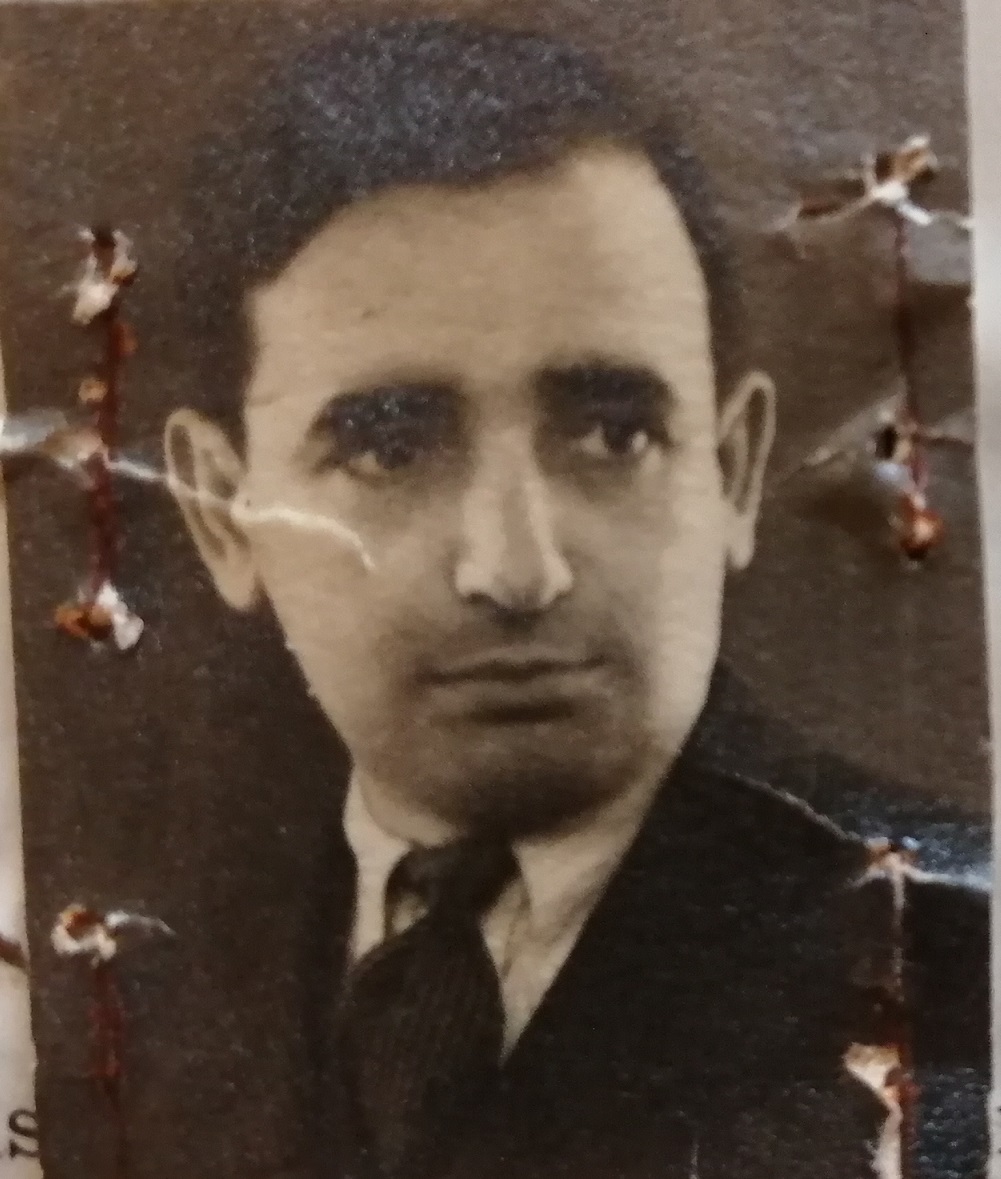
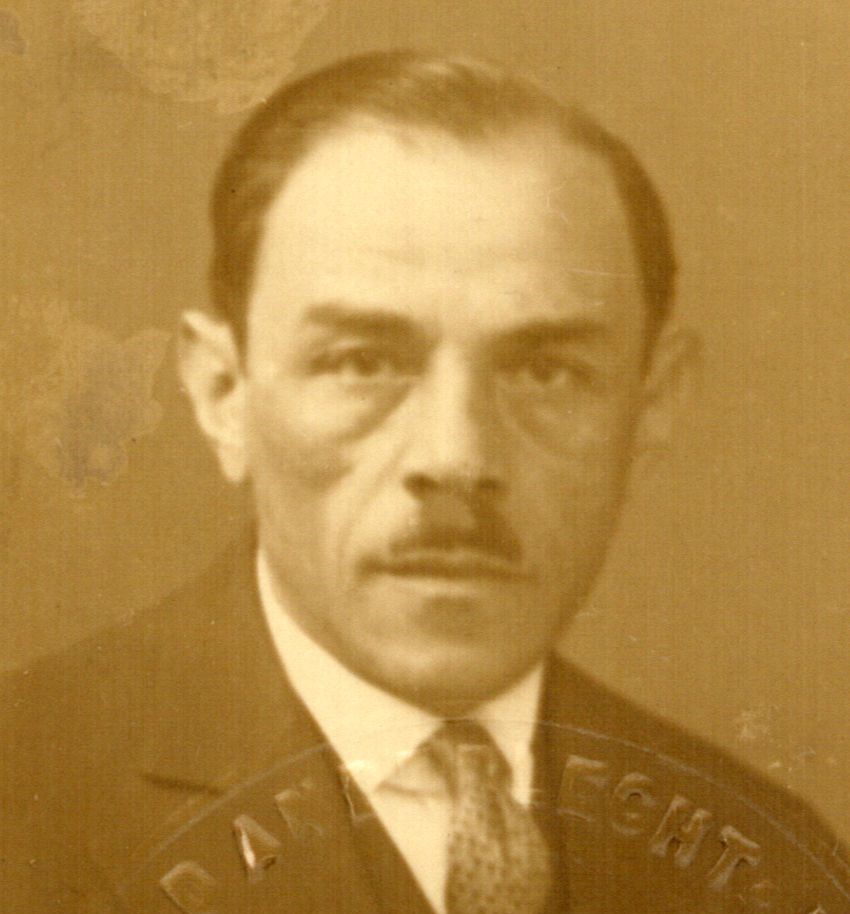
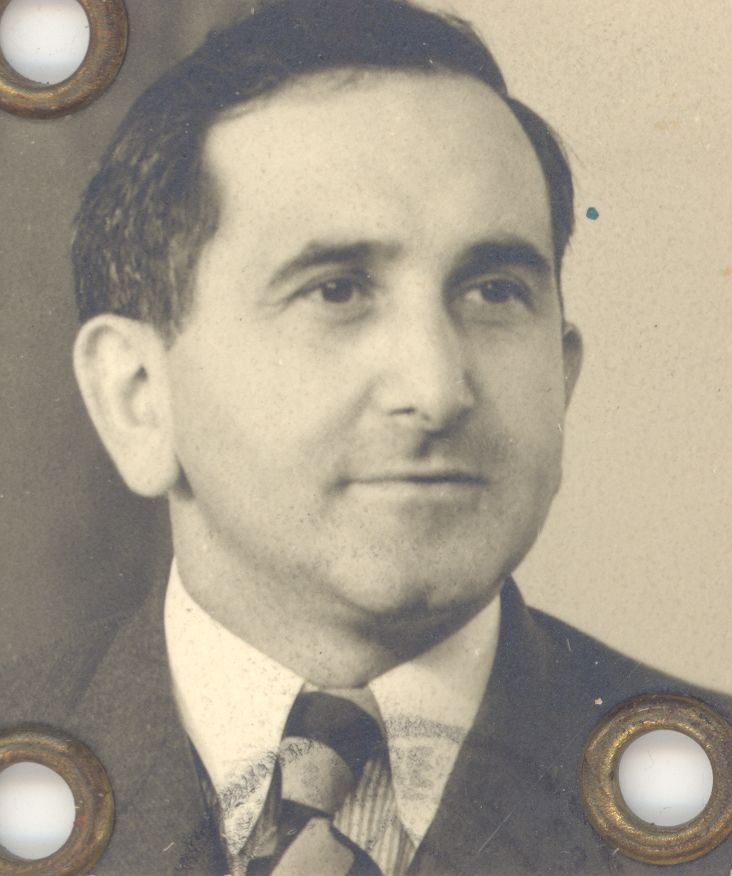
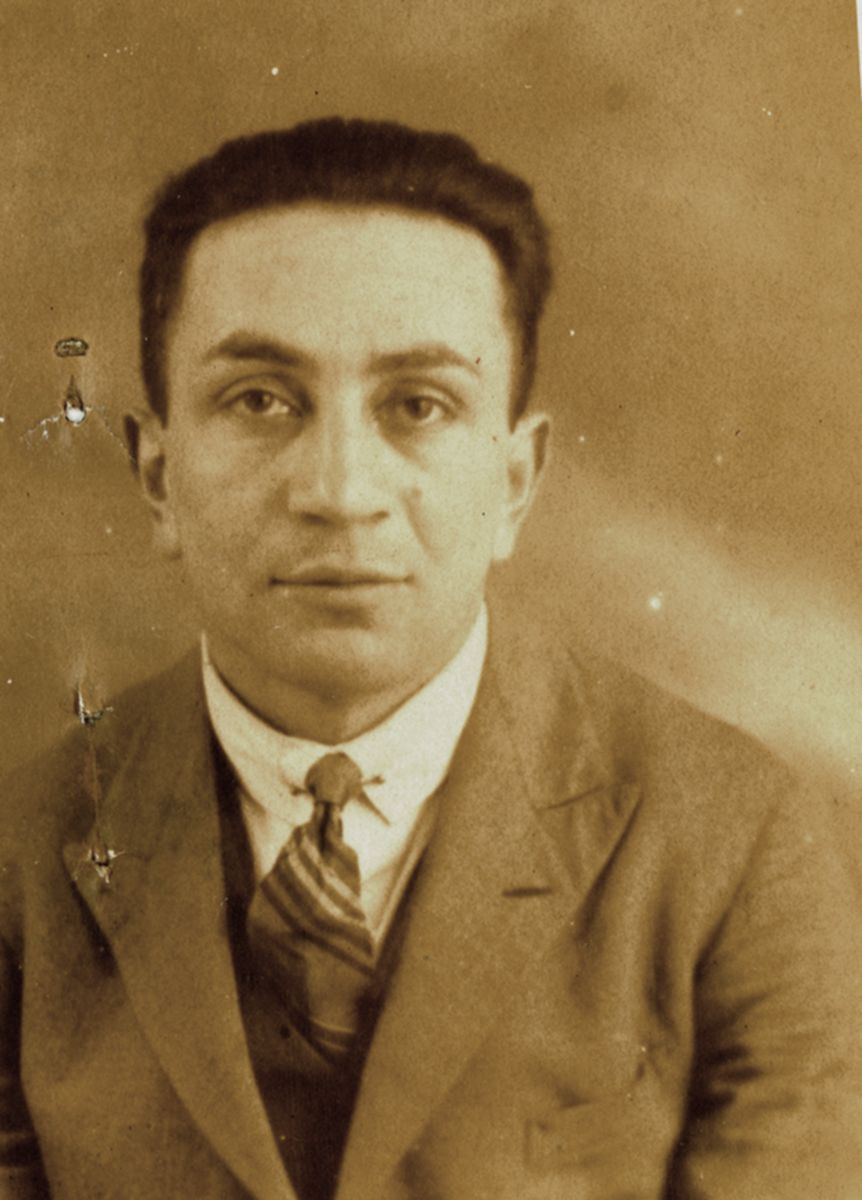
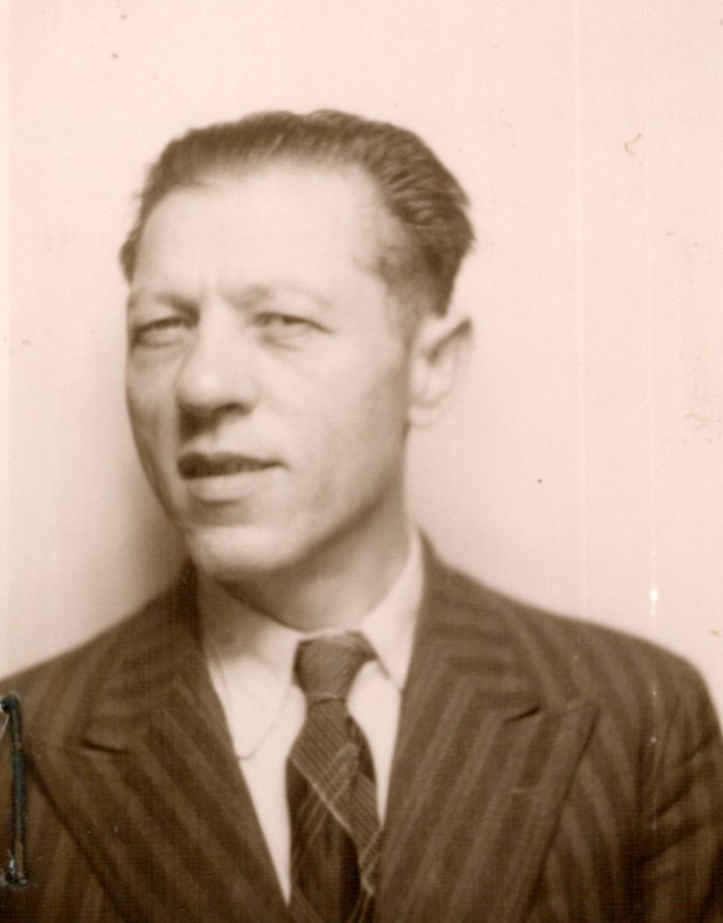
As a Jewish Belgian, this man from Liège followed a dangerous and unusual path. After leaving the Dossin barracks due to his mixed marriage, he devoted himself to the resistance. This led to a second arrest with unusual consequences: no racial deportation via Mechelen, but transport as political prisoner from the prison in Saint-Gilles.
Max Lanes stayed briefly in the Dossin Barracks, but was transferred to the prison at Saint-Gilles. He was deported from there to Auschwitz-Birkenau. As a result, his name does not appear on the transport lists. His brothers Arthur and Gustav were deported from the Dossin Barracks.
Mejlech Dunkelblau and Ryfka Schwarz were both born in Rzeszów, Poland. Anna Dunkelblau was born on November 15, 1906. Mejlech and Ryfka lived unofficially separated. Mejlech was deported on transport XXIV from the Dossin Barracks to Auschwitz-Birkenau and was murdered there. Ryfka and Anna were not deported and survived the war.
Moses Lisak and Esther Kaplan were born in Kalisz, Poland. They arrived in Belgium in January 1939 as a stopover to emigrate to Uruguay. On January 19, 1935, they had a daughter: Ruth. Moses and Lisak were deported on transport XXIII from the Dossin Barracks to Auschwitz-Birkenau. Ruth was not deported and survived the war.
Anna Kaganowitsch and Wolf Eijsman married in Maastricht on July 25, 1934. A year later, on May 6, 1935, they had their first and only child: Catherine. Anna and Catherine were deported from the Dossin Barracks to Auschwitz-Birkenau with transport XI and Wolf with transport XII. They did not survive the war.
Sonia Sor and Joseph Gordon married on November 18, 1933, in Ghent. The couple was registered in the Dossin Barracks on January 11, 1943, on the list of transport XIX. They were deported from the Dossin Barracks to Auschwitz-Birkenau where they were murdered.
Aaron Wyman and Rica de Vrede had one child: Isidore Isaac. Aaron and Rica were deported with transport XX to Auschwitz-Birkenau. Isidore received Belgian citizenship on February 8, 1939 but was deported on transport XXIIB. No one from the Wyman-De Vrede family survived the war.
Louis Alexander fled Germany in 1934. He married Elisabeth Nykerk in Schaerbeek on August 6, 1938. Louis was arrested in 1940 and deported to Perpignan in France. After his release, he was arrested again and deported with transport XXIV. Louis died in 1945 in Theresienstadt. Elisabeth presumably stayed in the Netherlands and survived.
Manijl Nejman and Masza Kimel had four children: Willy, Benjamin, Clara and Joseph. The whole Nejman-Kimel family was deported with transport XI from the Dossin Barracks to Auschwitz-Birkenau. Manijl was declared fit for work but died, as did his family.
Martin Kaufmann arrived in Belgium on a Kindertransport from Germany in 1939. He was placed in various orphanages by the Assistance Council for Jewish Refugees. Martin accepted the Arbeitseinsatzbefehl and was deported with transport I to Auschwitz-Birkenau. He was murdered.
Betty Marx and Moses Tobias were both born in Germany. They married and had one child: Ruth Tobias. After Betty and Moses divorced, Betty and her daughter Ruth moved to Belgium. They were arrested on September 11, 1942 during the third anti-Jewish raid in Antwerp. Betty and Ruth were deported and didn’t survive the war.
Karl Guenther fled Germany in fear of the persecution of Jews by the Gestapo. He received assistance from the Assistance Council for Jewish Refugees. Karl accepted the Arbeitseinsatzbefehl in August 1942 and was deported on transport III from the Dossin Barracks to Auschwitz-Birkenau. He did not survive the war.
Baruch Luxemberg and Laja Cwatla Grozwursel had four children: Dora, Regina, Celina and Suzanne. It is possible that Dora died before the war or lived abroad during the occupation. Baruch, Laja Cwatla, Regina, Celina and Suzanne were deported to Auschwitz-Birkenau on different transports (II, XIV and XV).
Marcus Sluis was a diamond cutter and Adela Zeelander also came from a diamond worker family. Together they had three children: Sara, Clara and Filip. The Sluis-Zeelander family was deported to Auschwitz-Birkenau via different transports (III, IX and XXI). None of them survived the war.
Izrael Goldfarb was deported with transport XXIII to Auschwitz-Birkenau. He did not survive the war.
Lejb Aszmian and Doba Szulanska had three children: Abraham, Hersz and Lazare. Lejb died already in 1932. Abraham was not deported and Hersz went into hiding in France. Doba and Lazare were deported with a different transport to Auschwitz-Birkenau. They did not survive the war.
Sara Boeki was deported with her son Willy on transport XXIII from the Dossin Barracks in Mechelen to Auschwitz-Birkenau. Mother and son were murdered there.
The family Spirn-Stick was a large family consisting of father Leib Spirn, mother Ruchel Stick and their seven children: Gitel, Moses Chaksel, Laie, Bine Sara, Izaak, Esther and Hanna. Via transport XI and transport XX, the entire Spirn-Stick family was deported to Auschwitz-Birkenau. None of them survived the war.
Gustav Abineri fled Germany and arrived in Belgium on August 26, 1938. He said he would stay in Belgium pending emigration abroad. Gustav was required to leave Belgium in 1940 but this could not take place due to health problems. He was deported with transport VIII to Auschwitz-Birkenau and did not survive the war.
The whole Wahl-Keller family, except from father Seinwel Hersz Wahl and daughter Lea, was deported from the Dossin Barracks in Mechelen to Auschwitz-Birkenau. No one survived the deportation. Seinwel survived the war but died already in 1946.
Willem Kuit lived as a diamond worker alternately in Belgium and the Netherlands. In 1923 Willem married Sophia Paris and they both moved to Belgium. The couple was deported on different transports from the Dossin Barracks in Mechelen to Auschwitz-Birkenau. Willem on transport IX and Sophia on transport XI. They did not survive the war.
The Kurier family fled Austria for fear of persecution by the Gestapo. Mother Fryme Eisgrau died early in 1924. Father Hersch Kurier and his children Frederika, Jeannette and Regine were all deported from the Dossin Barracks in Mechelen to Auschwitz-Birkenau. None of the Kurier family survived the war.
This family was strongly affected by the horrors of the Second World War.
Lotte joined the communist resistance to destabilise the Wehrmacht.
Hertha Ligeti joined the communist resistance to destabilise the Wehrmacht.
Marianne was with two other friends active in a communist resistance group and tried to destabilise the Wehrmacht.
The Borenchole-Landsberg family was deported with transport XX from the Dossin Barracks in Mechelen to Auschwitz-Birkenau. Mother Fejga and daughter Thérèse were murdered. Their son, Salomon, was not deported and survived the war. Father Abraham Joseph survived his captivity in Auschwitz and came back to Belgium in 1945, together with Salomon.
The Margulies-Mahler family obtained the naturalization in 1926 which granted them Belgian citizenship. Anne, Jacques, Helena-Ella, Liliane and Armand were deported with transport XXIIB to Auschwitz-Birkenau. They were murdered. Georges Mahler went into hiding in Aarschot with his wife Selma Lichtmann and children Charles and Nanette. They were never arrested and survived World War II.
The Fryling-Rozenes family was arrested in the only major raid in Brussels during the night of 3 to 4 September 1942. Sender Bynem, Chaja Terna and their children Samuel and Claire were deported with transport IX from the Dossin Barracks in Mechelen to Auschwitz-Birkenau. None of the family survived the war.
The Zeelander-Barmhartigheid family stayed alternately in Amsterdam and Antwerp. The family members were deported to Auschwitz-Birkenau via various transports. None of the Zeelander-Barmhartigheid family survived the war.
The story of how a Polish representative of Belgian companies became a member of the resistance. Szmul spent time in many different camps, but managed to escape several times.
After fleeing from the First World War, the Second World War kills Israel and his mother.
Isaak and Emmy, both from the Netherlands, seek a better life in Belgium. However, they are gripped by the horror of anti-Semitism.
Malka Sperber’s father had health problems. Therefore the family came to Belgium. Mother and both sons accepted the Arbeitseinsatzbefehl, the employment order issued by the Sipo-SD. They were deported with transport V from the Dossin Barracks in Mechelen to Auschwitz-Birkenau. They did not survive. The fate of father Abraham Broom is unknown to us.
Father Lipman and daughter Gertrude were expelled from Germany. They were both deported from the Dossin Barracks in Mechelen to Auschwitz-Birkenau. They did not survive.
The Kotas – Kacai family were deported on a different transport from the Dossin Barracks in Mechelen to Auschwitz-Birkenau. No one survived.
The family was committed to the Jewish community.
Lajba Chlewicki endured deportations that claimed the lives of several family members. Lajba survived Auschwitz, and after the war, he and his wife Ruchla Goldflam took in their orphaned niece, striving to rebuild their lives.
The family experienced many tragic events. Anti-Semitism eventually became fatal to them.
Chaim Miler came from a large family. He was deported on transport IX which stopped in Kosel. He got off and was selected for forced labor. Chaim died in Buchenwald a few months before the end of World War II.
Zelik Sztuden and Rosalie Luxberg were deported from the Dossin Barracks in Mechelen to Auschwitz-Birkenau where they were murdered. Both their children survived the war.
The family had great travel plans, but they were unable to fulfil them. Their daughter Nelly was an orphan during the war.
The Pander – Lublinski family consisted of mother, father, and daughter. No one of the family survived Auschwitz-Birkenau.
Although Fritz Basch was active as a camp doctor in the Dossin Barracks, he could not protect his family from deportation.
The Wolff-Halpert family hoped for a new life on the other side of the ocean, but arrived.
Edith Silbiger, personal secretary to the camp commander, was put on transport XXIIA.
The tragic family story of stenographer Klara Sander and her family.
Thanks to the kind women Balthus and Allard, the children are able to go into hiding in the Fraiture castle and survive the war.
The tragic story of the Kempner-Rozen family. Only father Moszek survived the war.
Of the entire Schwarzbaum-Eidels family, only father Aron and son-in-law Kurs survive the war.
On 24 February 1939, the refugee story of the Berenblum family begins, with parents Abraham Berenblum and Maria Freimowski and daughters Sonja and Rosa.
Malka Badner, a Polish Jew, arrived in Belgium before the First World War, in 1912. Jozef Markus Langenauer arrived later. They had three children.
This family of Polish Jews fled from Germany to Belgium in 1939. The father, aged 47 when he was deported, worked as a commercial traveller. The mother, Ester Neugebohr, a 38-year-old housewife, looked after her three younger children with the help of her oldest daughter, Hilda Charlotte, 21.
Joseph Hakker was a Dutch Jew who arrived in Belgium in 1907 when he was only 20.